July 4th, 2026
Art House Productions, Jersey City
Written by Varshini Krishnaswamy for Line & Verse
Pictures by Varshini Krishnaswamy
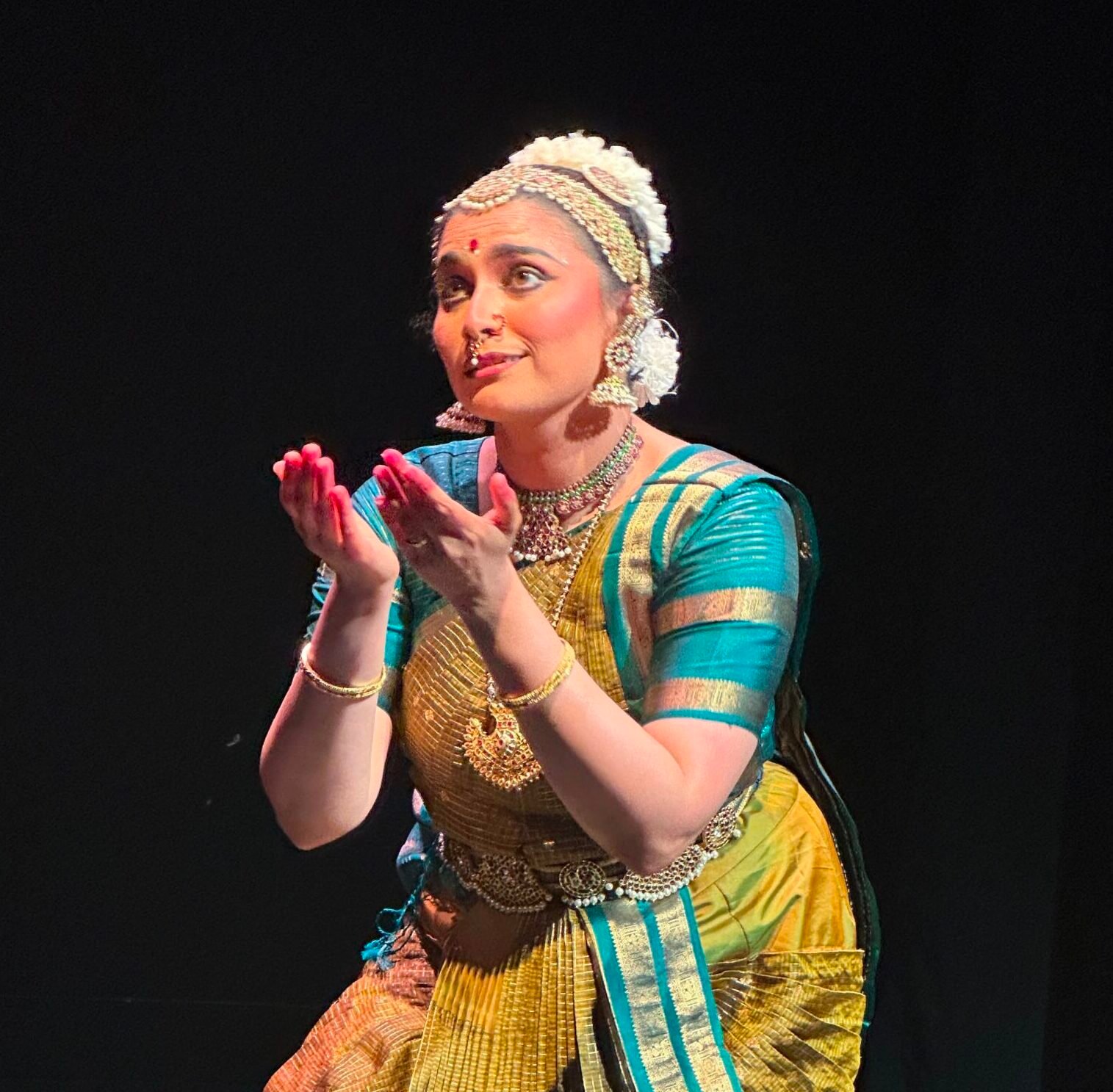
Sneha Ramachandran’s Tirai, her second solo showcase, was a thoughtfully structured Bharatanatyam recital.
The recital opened with an invocation sloka by the vocalist, Shri Gomathi Nayagam. The chanting set a calm, devotional atmosphere, and the words were clear and easy to follow. It created a composed beginning before the dance items unfolded.
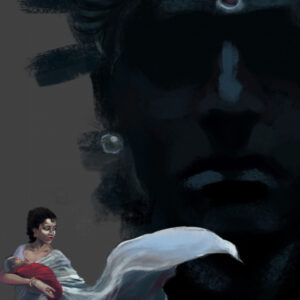
The first danced piece, Sooryamurthe, an ode to the Sun god, set the tone effectively. Its devotional energy was well held, and the presentation showed a sense of poise and purpose. The lighting here was interesting, with darkness supporting the presence of the Sun’s consort – the shadow. At the same time, it would have been even stronger had the face been lit more consistently.
In Kai Koopi Thozhum, the depiction of Hanuman was striking. One could clearly see the character, and there was dignity in the portrayal. The transitions between episodes could have been sustained longer, allowing the emotional arc to settle more fully. Yet, Hanuman himself was shown with unmistakable majesty.
The varnam, Ninnu Nera Nammiti, formed the centerpiece of the recital. The nattuvangam, by Smt. Sridevi Srinivas, offered strong, steady support, and the use of an alarippu‑style jathi with the “drigiduthaka thaka drigiduthaka drigiduthaka” pattern was especially catchy. At first, Sneha seemed to be settling into the piece and the theermanams could have landed with more force, but once she found her rhythm, she held the varnam with assurance and completed it with conviction. As the longest item in the margam, it served as the morning’s anchor.
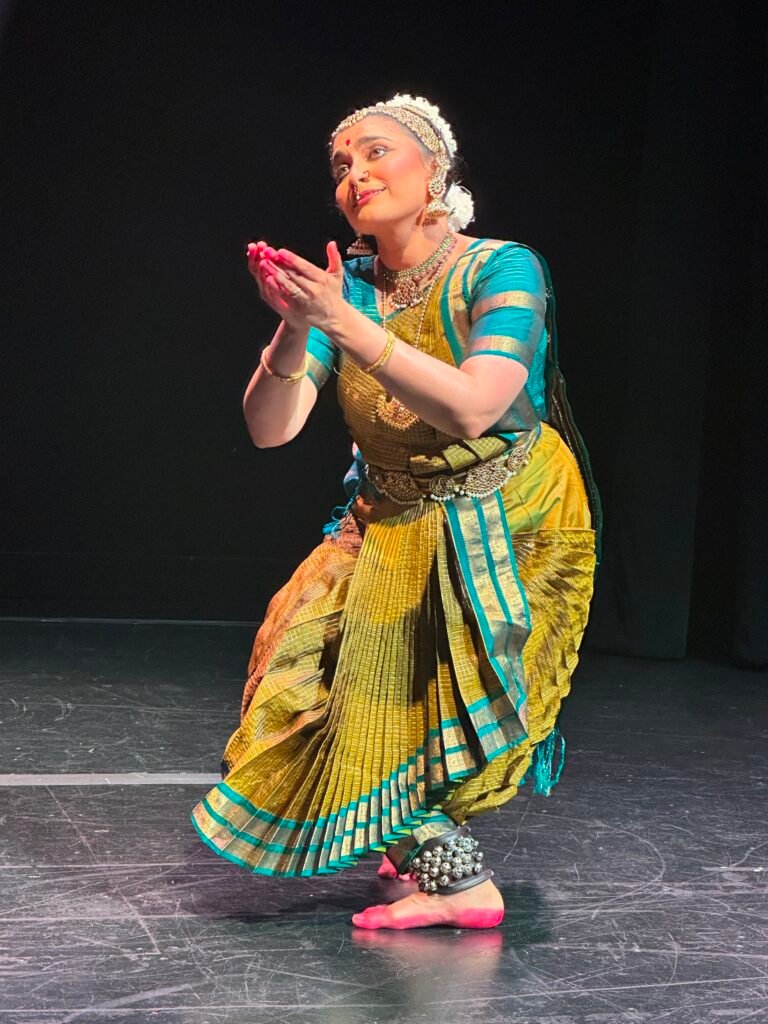
Following the varnam came Panam, in Tamil, about our relationship with money, presented neatly and with clarity. The composition sat well on Sneha, and the Tamil sahityam was articulated with care. A particularly pleasing touch was the casual, almost off‑hand usage of “dandam paninenē” – a colloquial phrase in Tamil meaning “Oh no! I wasted my money!”, which gave the item a conversational, lived‑in feel within its otherwise formal frame.
A charming contrast followed with Mazhai, set to “ThikkugaL ettum sidhaRi” by Bharatiyar evoking a jolly, fleeting mood that Sneha embodied with effortless ease, capturing rain’s playful unpredictability. The choreography allowed the item to feel buoyant without losing form.
In Maayai, set to “uNmai arindavar unnaik‑kaLippArO mAyaiyE”, also by Bharatiyar, the sense of deception came through clearly. The illusion was drawn with restraint, which gave the abhinaya depth and let the unease of maya be felt rather than overstated.
Enta Matramuna brought a different register to the recital and worked well as a conclusion. Here, the lines “Shrinivasa Govinda, Sri Venkatesha Govinda” carried a strong devotional charge, and the warmth and depth of the singer’s voice made the presence of Venkateswara almost tangible in the hall. The composition was rendered with sensitivity, and Gomathi Nayagam’s singing was especially effective, with the ensemble supporting the dancer without overpowering her.
Across the recital, the team of Shri Gomathi Nayagam on vocal, Shri N. Sigamani on violin, Shri Sankarapillai Sunilkumar on flute, Shri Sakthivel Muruganandham on mridangam, and Smt. Sridevi Srinivas on nattuvangam functioned as a true ensemble, keeping focus on the stage.
Overall, Tirai offered a beautiful way to begin the morning, setting a reflective yet uplifting tone for the day.